Showing all 20 results
Inground
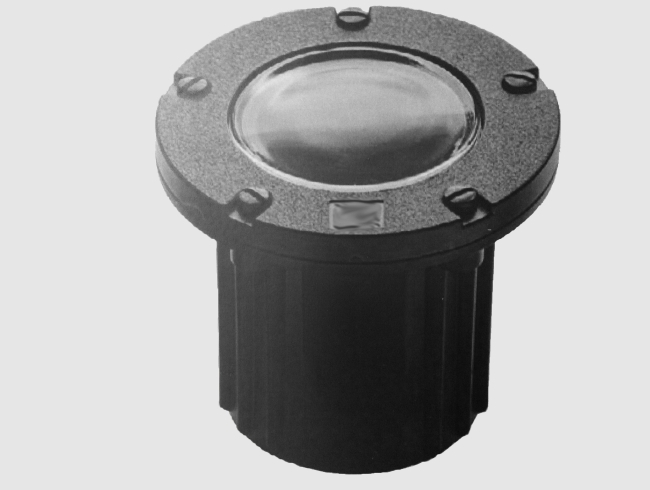
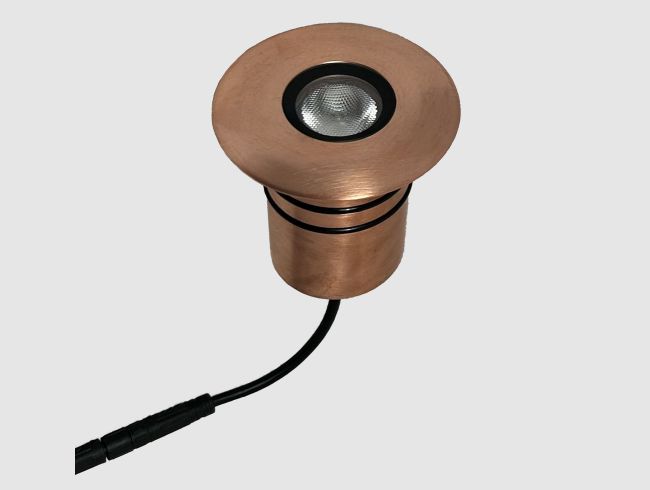
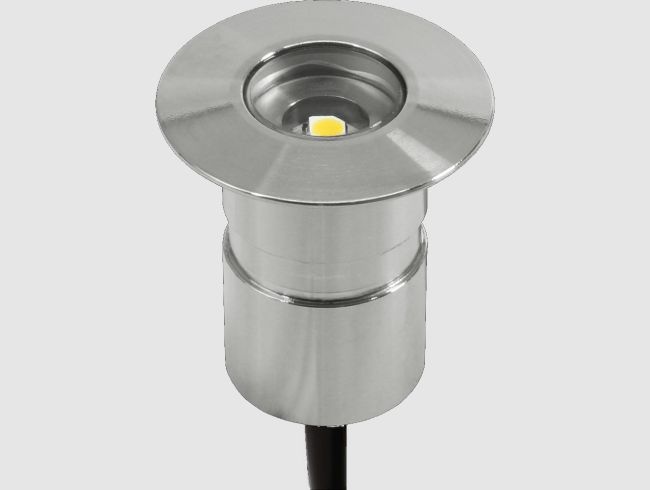
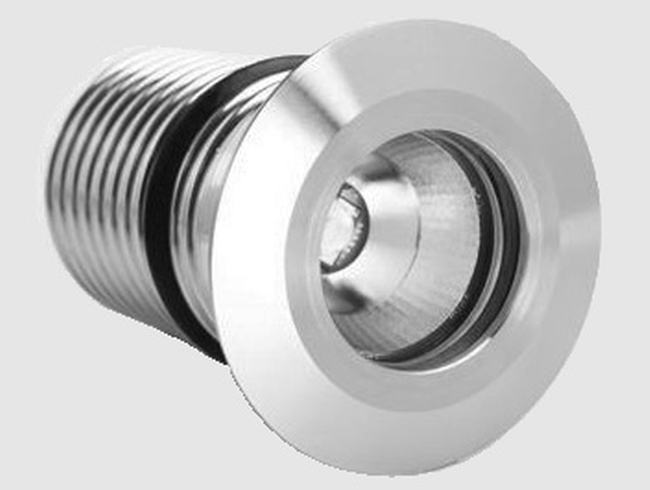
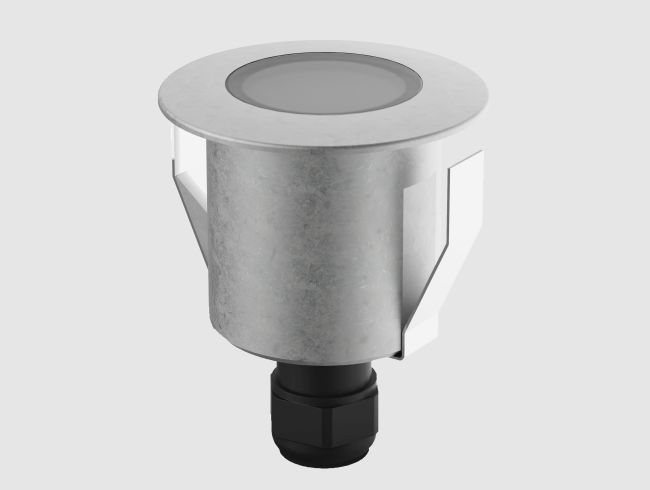
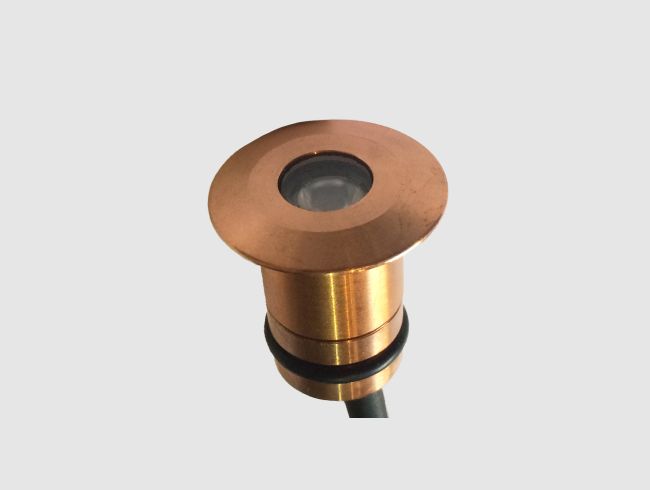
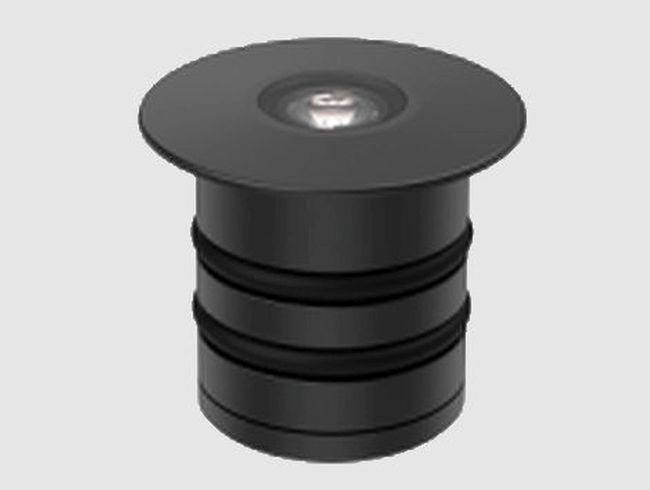
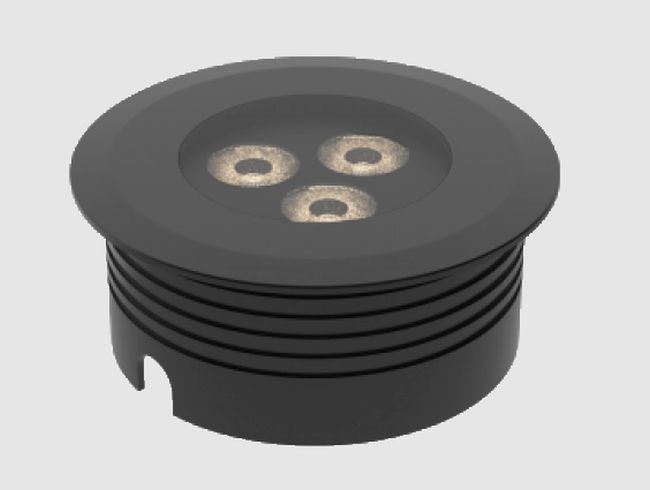
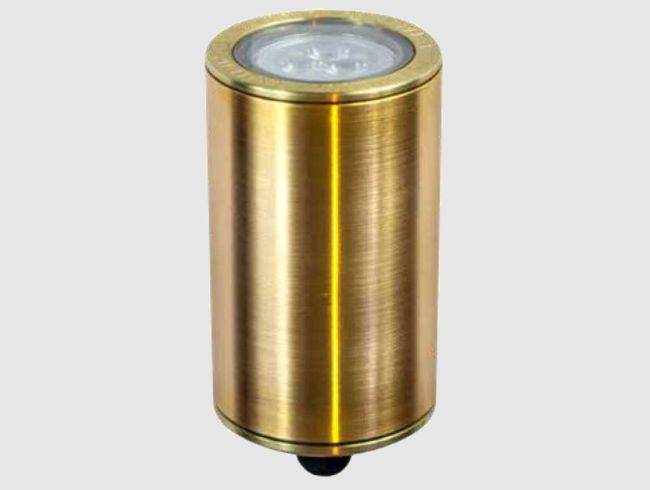
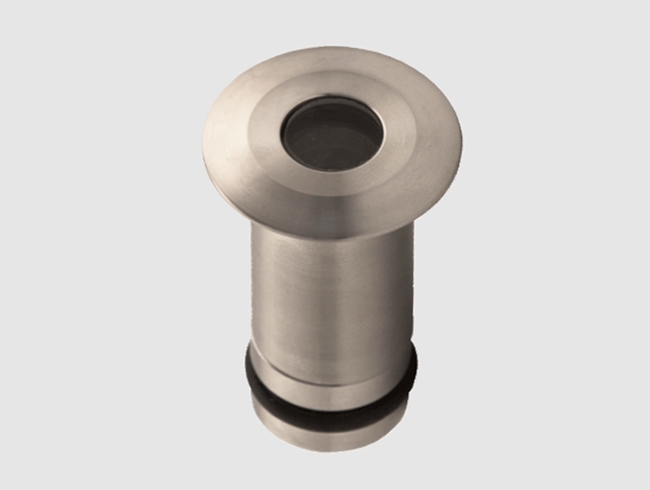
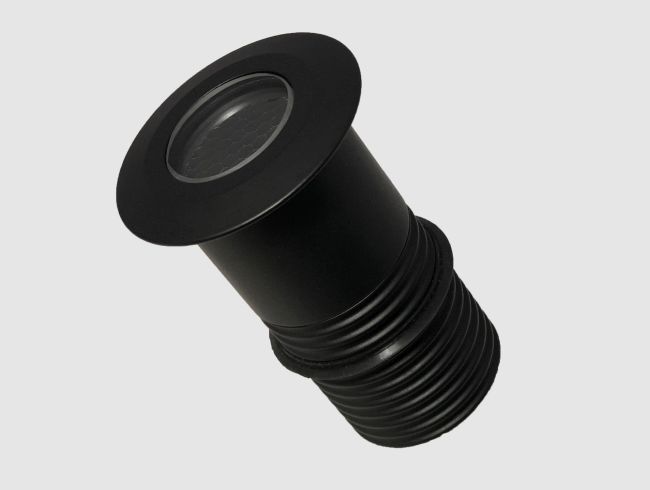
Inground lighting is a robust solution for uplighting, grazing and wayfinding where a minimal aesthetic is required. These fixtures are recessed into paving, decking or soil – or interior floor finishes – providing illumination from below while remaining nearly invisible. This collection is specified for applications where a traditional accent light or path light is unsuitable. We offer small-aperture uplights, linear fixtures and walk-over rated options. Correct installation and regular maintenance are critical for long-term performance.
Showing all 20 results

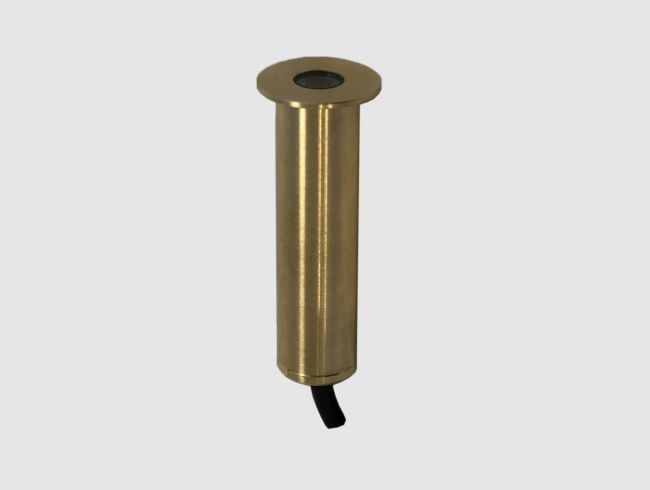
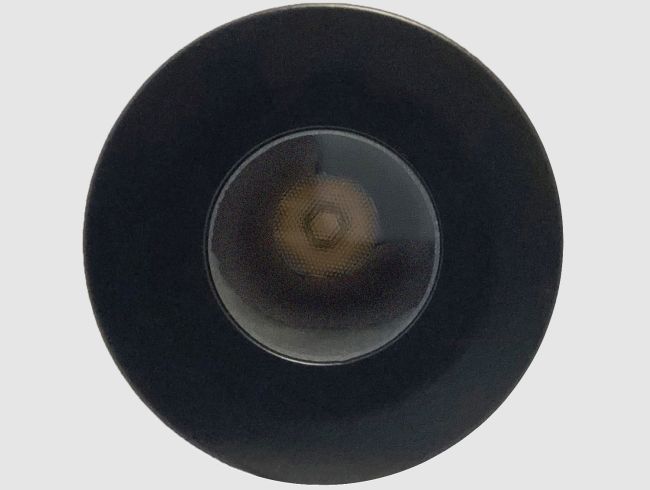
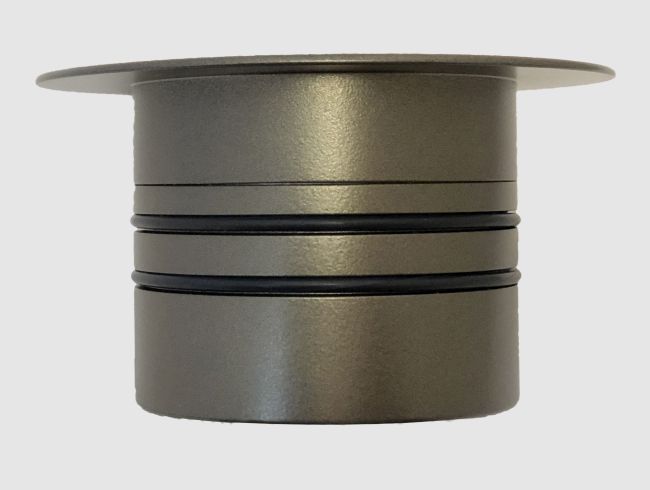
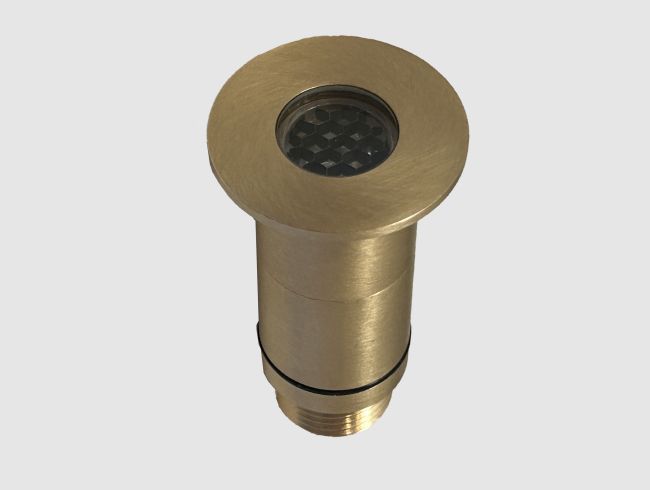
Specifying Inground Lights
Inground fixtures are engineered for durability but must be specified and installed correctly to ensure longevity, safety and compliance in both exterior and interior settings. These fixtures present unique installation challenges. Before specifying inground lights, consider whether alternative fixture types (such as accent lights or path lights) could achieve the desired effect without the installation complexity and ongoing maintenance requirements.
Primary Applications
Inground lights are installed flush with a surface, making them suitable for specific applications:
- Pathways and hallways
Providing low-glare wayfinding and orientation, both outdoors and indoors. - Wall grazing
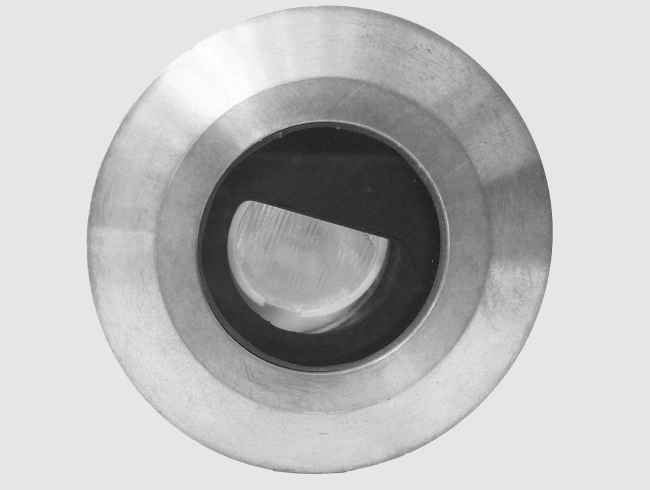
Installing fixtures close to a wall (like the linear LOL-IG-0230) to highlight texture, inside or out. - Decking and interior floors
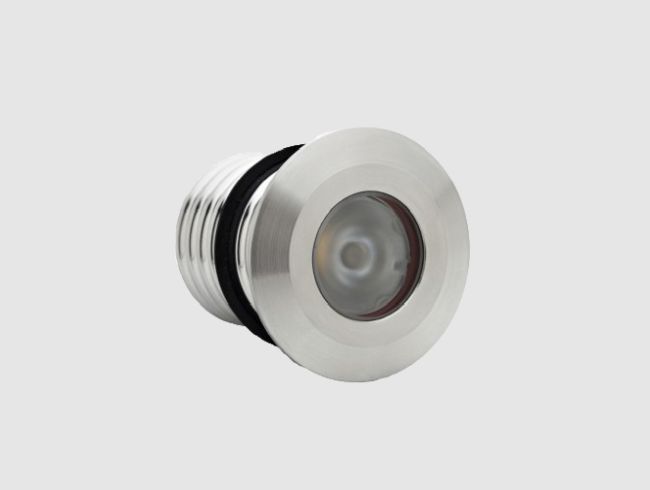
Recessing small uplights (like the LOL-IG-0186) to define edges, steps or uplight internal columns. - Feature trees
Uplighting from garden beds or lawns where a spike light is not desired or suitable. - Wet areas
Using high-IP-rated fixtures (IP67+) for bathroom or ensuite floor applications (subject to installation compliance).
Important note on driveway use
We recommend IK rating and weight limits be observed when specifying inground lights in driveways.
Site selection
Choose installation locations carefully. Select spots that are clear of any obstruction and will not be grown over or covered with mulch, mud and debris such as leaf litter over time. For garden bed installations, account for future plant growth that could obscure the fixture.
Materials and construction
Durability is critical. Our inground fixtures are built to withstand traffic loads and harsh conditions.
- 316 Stainless Steel
Marine-grade stainless steel is the standard for faceplates, offering maximum corrosion resistance for coastal sites and pool surrounds. - Solid Brass
Also used for its corrosion resistance and ability to patina naturally. - Powder-Coated Aluminium
High-grade aluminium with durable finishes for specific applications. - Composite Materials
Selected fixtures use advanced composite construction for weight or non-conductive requirements. - Toughened Lenses
Borosilicate glass lenses are desirable for durability and resistance to thermal shock, particularly for trafficable applications. - Housing
Fixtures rely on a durable housing (often PVC or aluminium) for installation and water protection.
Technical & system requirements
Correct installation is essential and directly impacts fixture longevity.
- Drainage and moisture protection
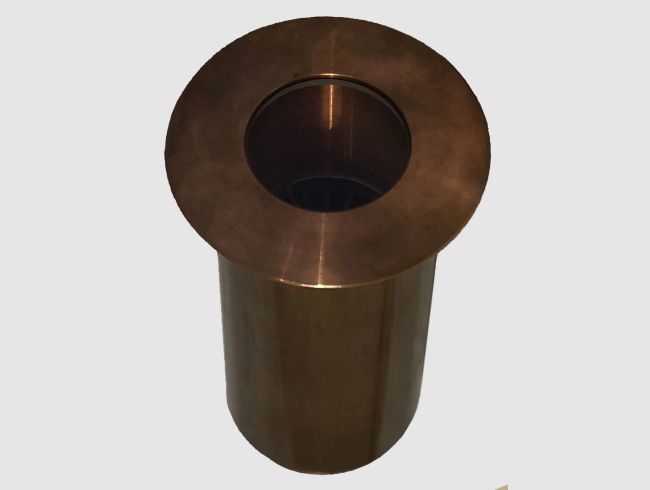
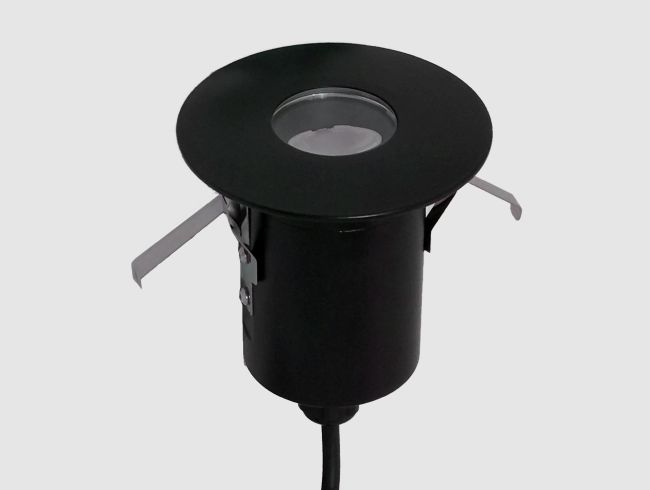
Moisture ingress from incorrect cable joins is the most common cause of failure. All exterior inground fixtures require adequate drainage to prevent water from pooling around the fitting. We strongly recommend installing inground lights in suitable canister sleeves. Canisters provide a protective housing, facilitate drainage and allow for easier maintenance access. - Installation depth
When installing in concrete or pavement, allowance must be made at the time of construction for the depth of the light and the canister (up to 200mm) and placement of the wiring. It is expensive and sometimes not possible to drill the holes afterwards. Interior installations must be precisely recessed to the same depth standards. - Trafficable ratings
Walk-over rated fixtures are suitable for pedestrian areas only. We stock a limited selection of fixtures rated for light vehicle traffic (up to 2 tonnes), but as noted above, we do not recommend driveway installation due to the weight of modern vehicles. - IP Ratings
Fixtures have high IP ratings (IP67 or IP68). IP67 protects against temporary immersion in water (up to 1 metre). IP68 protects against continuous, long-term immersion. For most landscape applications, IP67 is sufficient provided drainage is correct. - Wiring
We strongly recommend IP68 rated joins in all wiring connection points. All inground lights are typically low-voltage (12V/24V), requiring a suitable weatherproof transformer (driver). They must be installed by an experienced and qualified installer to avoid warranty problems. - Glare control
For high-traffic areas, specify inground lights with deeply recessed lamps to reduce glare. Some fixtures offer asymmetric beam angles, which can be aimed obliquely to avoid creating excessive glare and reduce light pollution.
Maintenance requirements
Regular maintenance is essential for inground light longevity. We highly recommend ongoing inspection to check that:
- Seals around the lenses have not been damaged
- Fixtures have not been buried or overgrown by vegetation
- Moisture is not forming inside the fixture
- Water is not pooling at the bottom of the canister
- Drainage paths remain clear and functional
Without regular maintenance, even properly installed inground lights will eventually fail due to moisture ingress.