Showing all 27 results
Wall
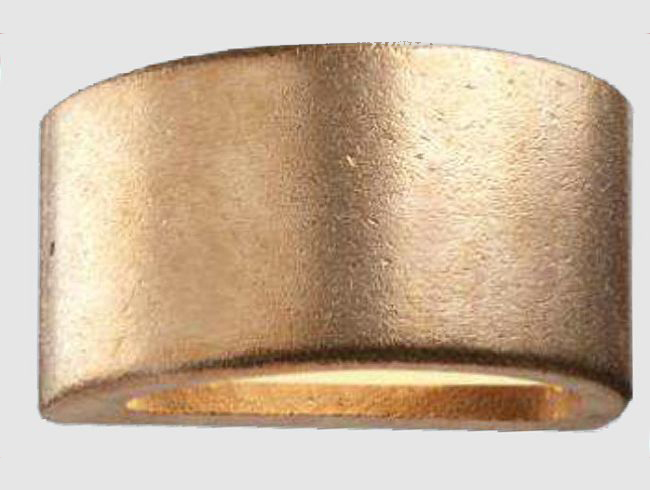
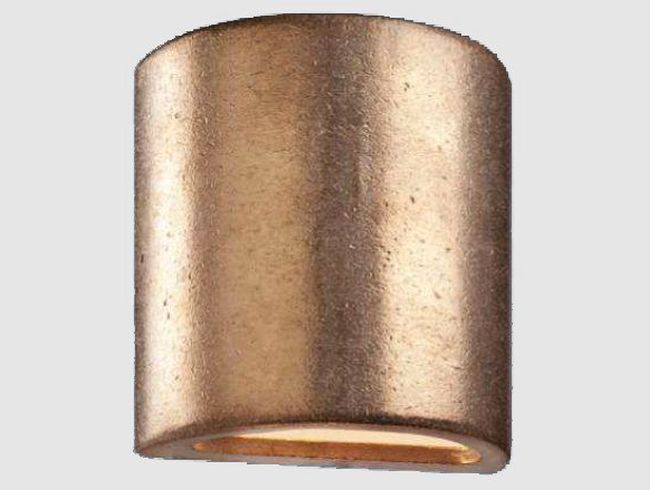
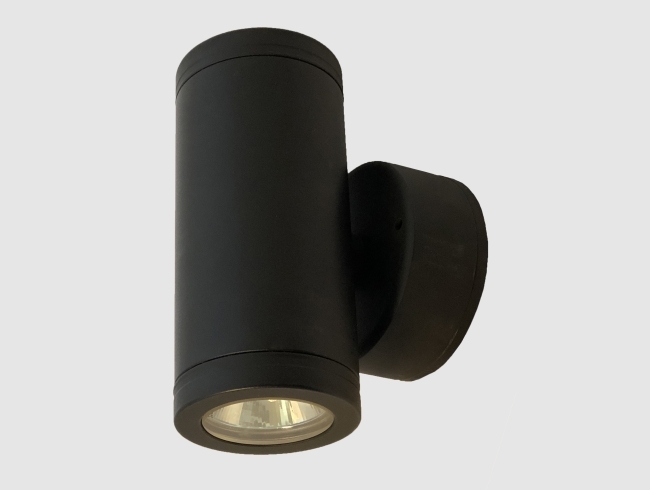
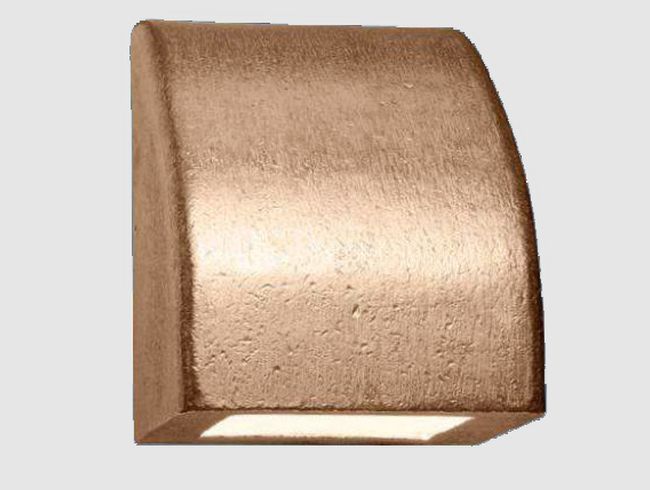
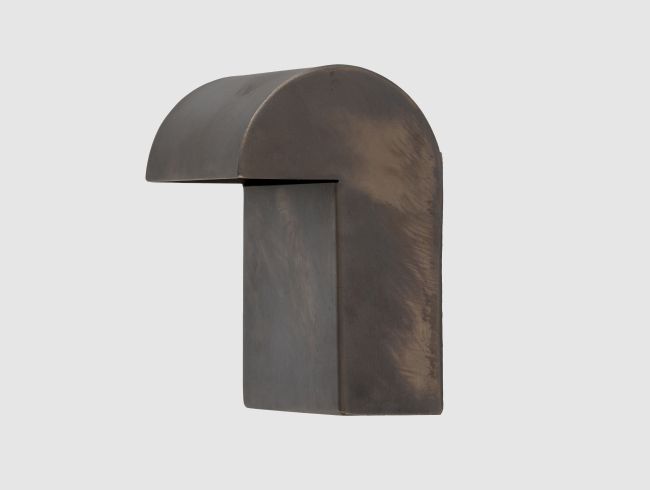
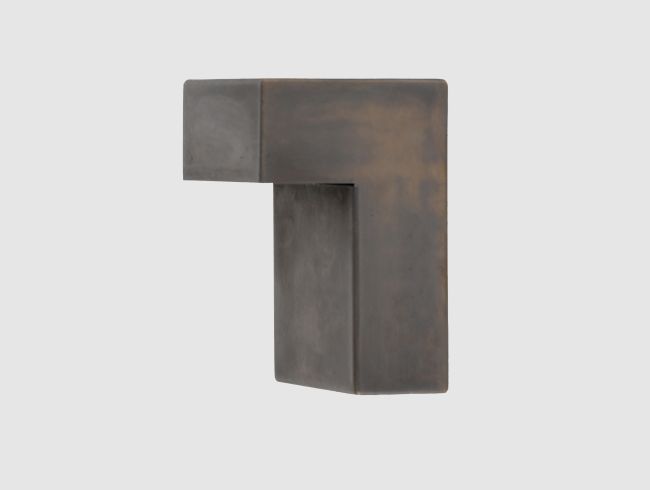
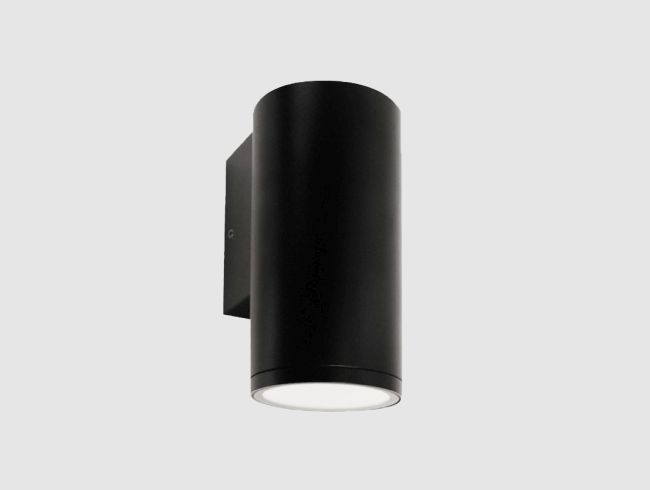
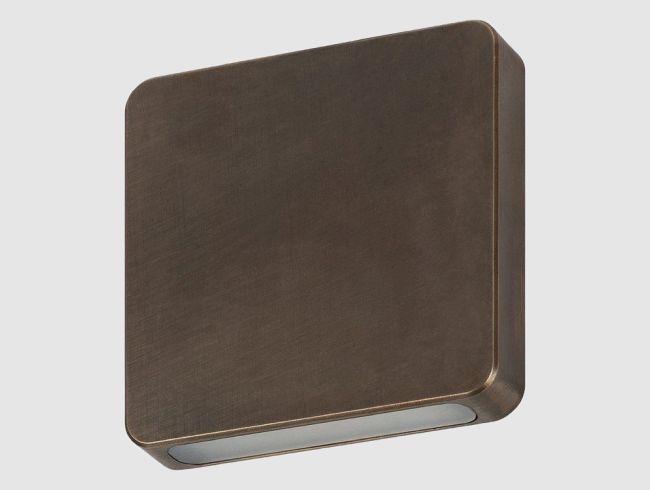
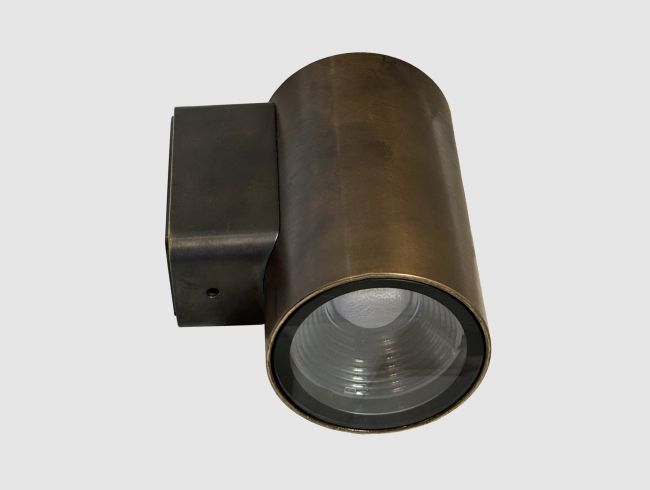
Wall lights project illumination backwards across the face of a wall, fence or pillar. They serve both indoor and exterior applications, providing functional circulation lighting and creating visual punctuation marks within architectural compositions. This collection includes down-facing fixtures for pathways and entries, up-facing fixtures for dramatic wall washing, and bi-directional configurations that illuminate surfaces in both directions. These fixtures are specified where surface-mounted lighting is the correct solution for wayfinding, feature highlighting or ambient illumination.
Showing all 27 results
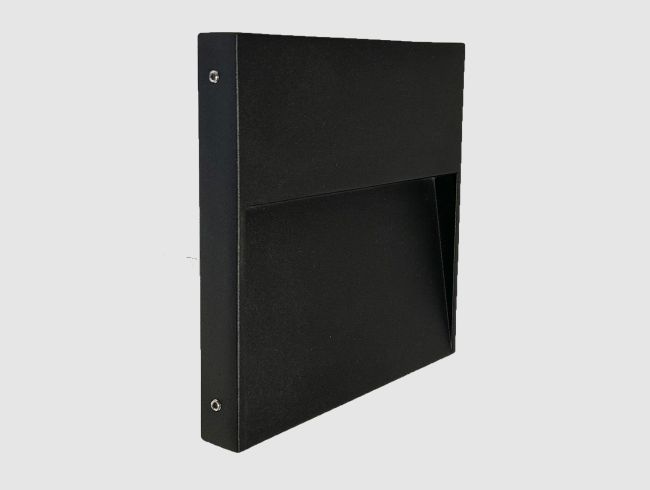
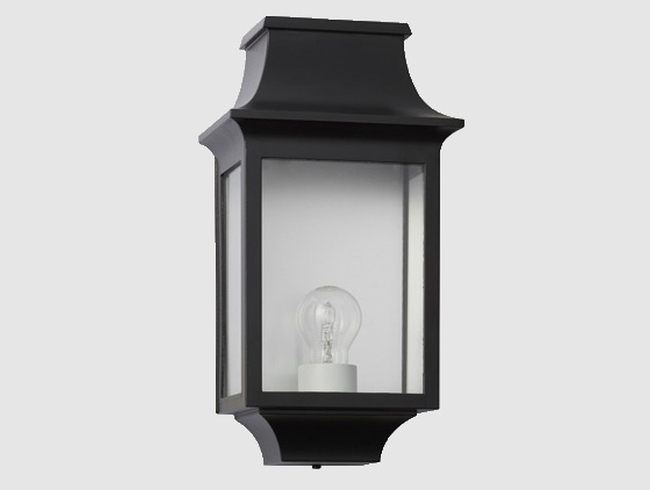
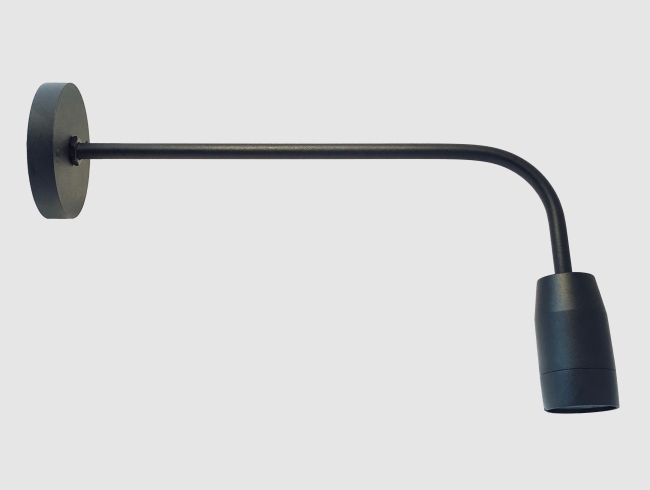
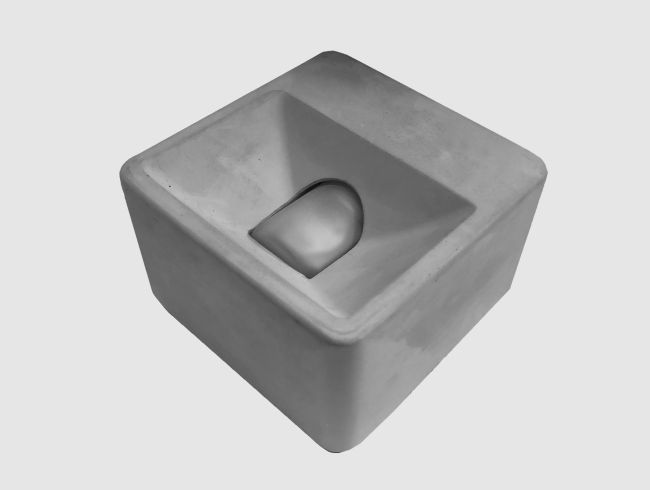
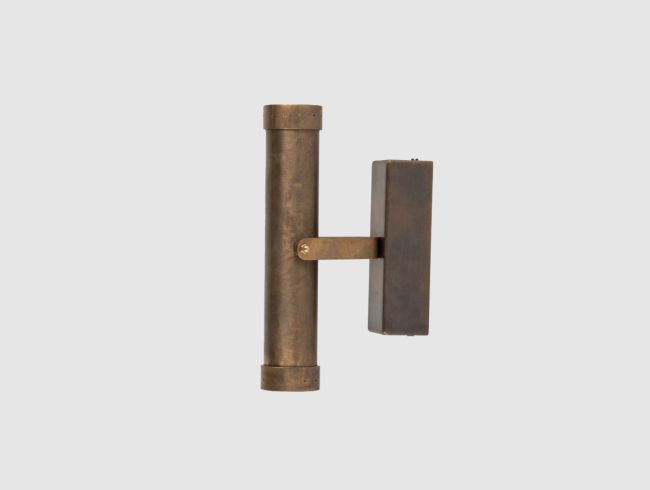
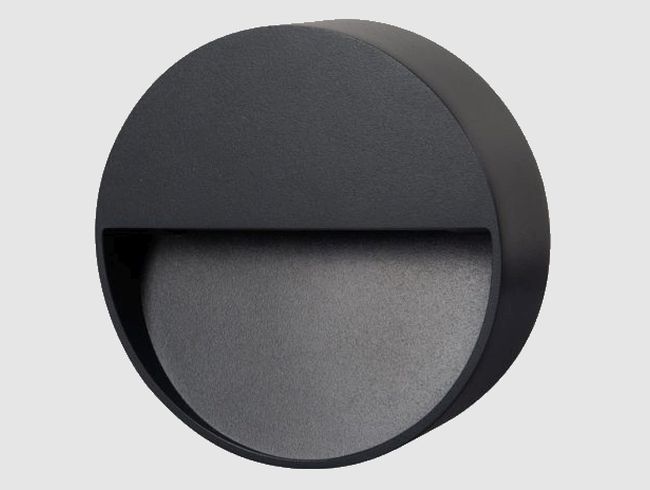
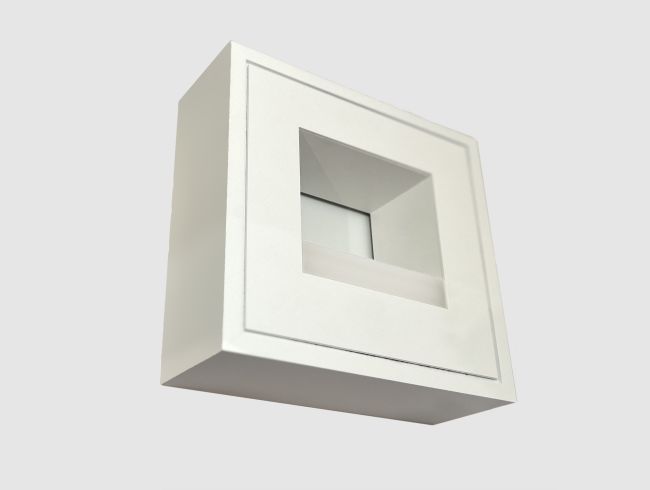
Specifying Wall Lights
Wall lights are surface-mounted fixtures designed for longevity and visual impact in high-end residential and commercial projects.
Primary applications
Wall lights provide both functional and aesthetic value across diverse settings:
- Entrances and facades
Creating clearly-lit entry points and highlighting architectural features on building exteriors. - Side pathways and corridors
Illuminating circulation routes where downward reflected light from wall fixtures provides ground-level lighting without dedicated path fixtures. - Driveways and basement access
Lighting transitions and ramps where clear wayfinding is essential.
Interior spaces: Providing ambient or accent lighting in hallways, living areas and feature walls. - Outdoor entertaining areas
Contributing to the evening ambience of terraces, courtyards and alfresco spaces.
Light Distribution Options
Wall lights are available in three primary configurations based on how they direct light:
- Down-Facing
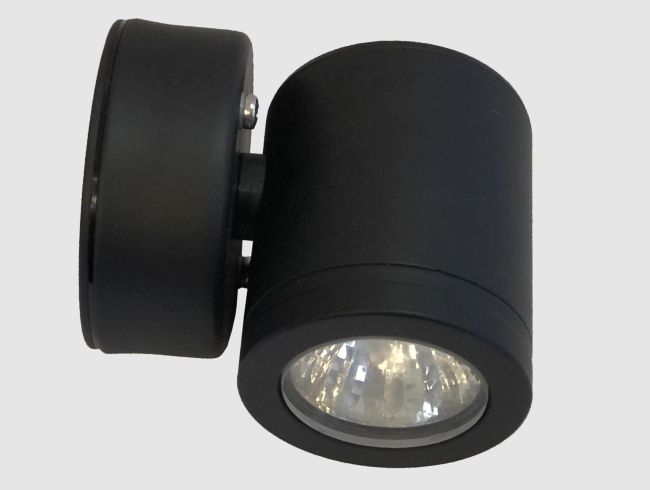
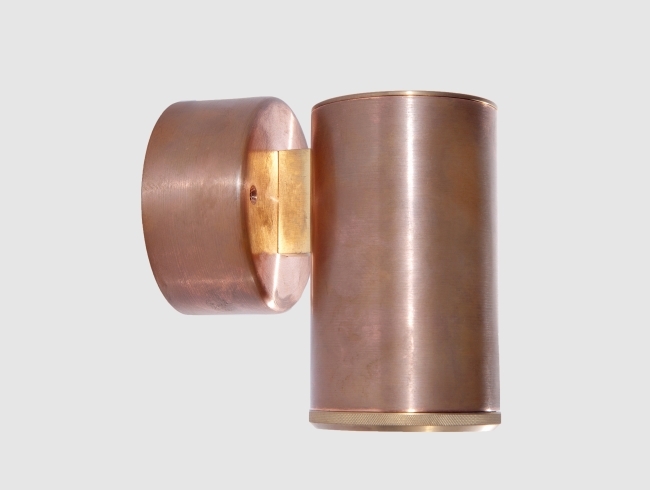
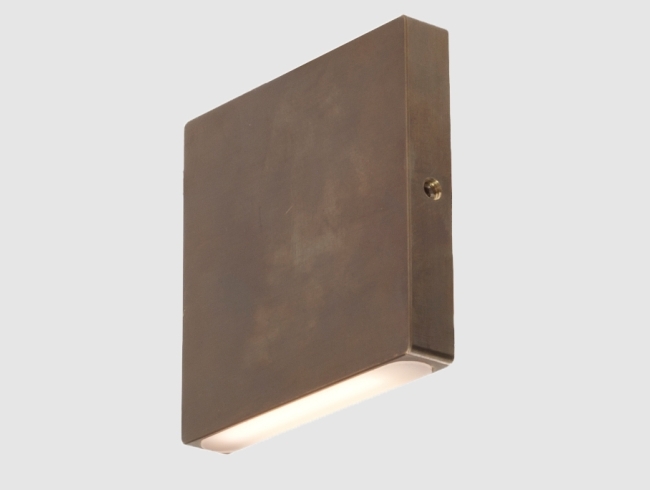
Fixtures that project light downwards across the wall surface and onto the ground below. They are the most common specification for functional pathway lighting and entries, as the downward reflected light also illuminates circulation areas at ground level. - Up-Facing
Fixtures that project light upwards across the wall. This creates dramatic wall washing effects and can highlight textured surfaces or architectural details. Upward light is specified where the aesthetic impact is the primary consideration. - Bi-Directional (Up & Down)
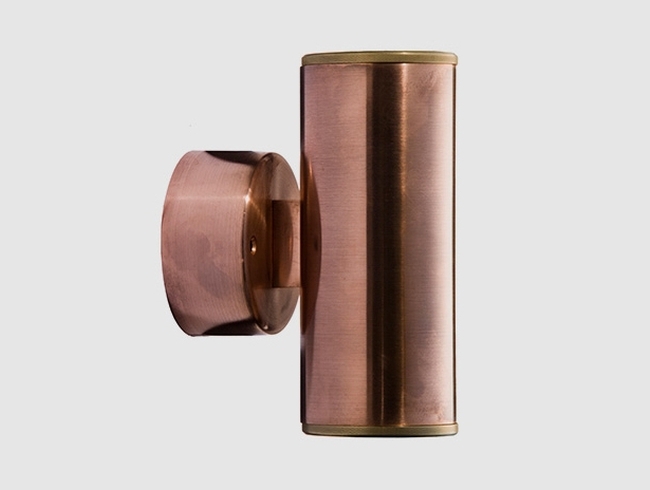
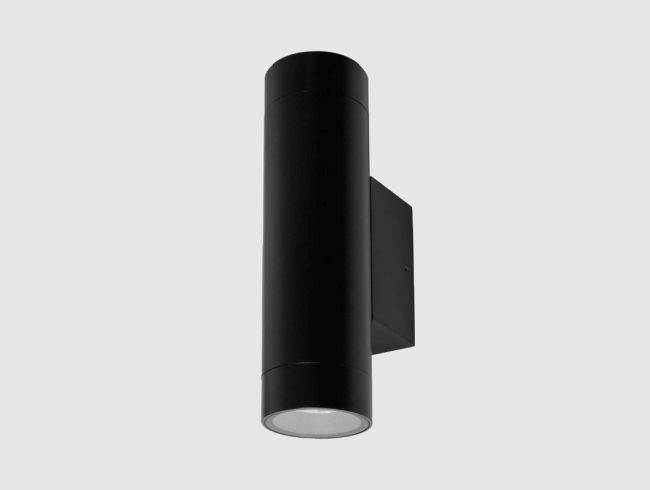
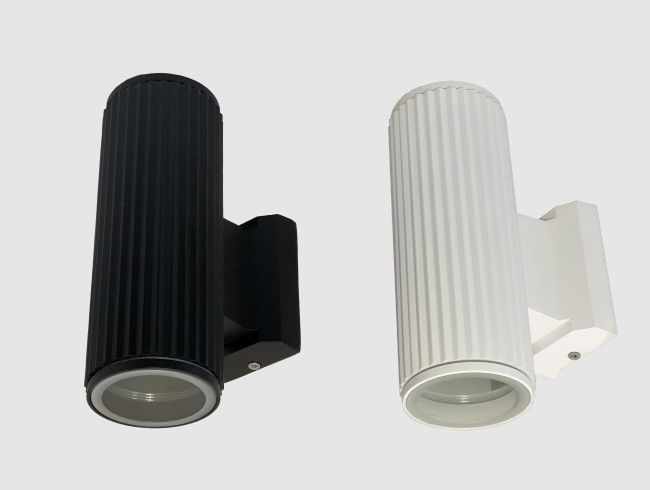
Fixtures that project light in both directions. They create symmetrical light patterns on walls and provide balanced illumination for entries, feature walls or where both upward and downward light distribution is desired. These fixtures make a bold visual statement both day and night.
Design considerations
Wall lights are always surface-mounted and create a visual statement. Both the fixture itself and the pattern of light it creates on the wall become part of the architectural composition. Designers invest considerable time in selecting the right fixtures and positioning them to enhance rather than compete with the architecture.
The fixture form, finish and scale should be considered in relation to the wall material, building style and surrounding context. A fixture appropriate for a contemporary bluestone wall may be entirely wrong for a weatherboard cottage.
Mounting height and glare control
Wall lights should ideally be mounted no lower than head height (approximately 2000mm) to avoid direct view of the lamp at eye level. For pathways and circulation areas, this height ensures the fixture provides illumination without becoming a source of glare.
Glare control accessories are available for many fixtures. Snoots (cylindrical shields), hex cell baffles (honeycomb grilles) and glare guards can be specified to minimise light spill into unwanted areas or to control the beam pattern. These accessories are particularly important in residential settings where neighbour comfort and Dark Sky principles are considerations.
Materials and finishes
Wall lights must be built for durability, particularly in exterior applications exposed to weather and UV radiation. Our fixtures are typically constructed from machined metals:
- Powder-Coated Aluminium
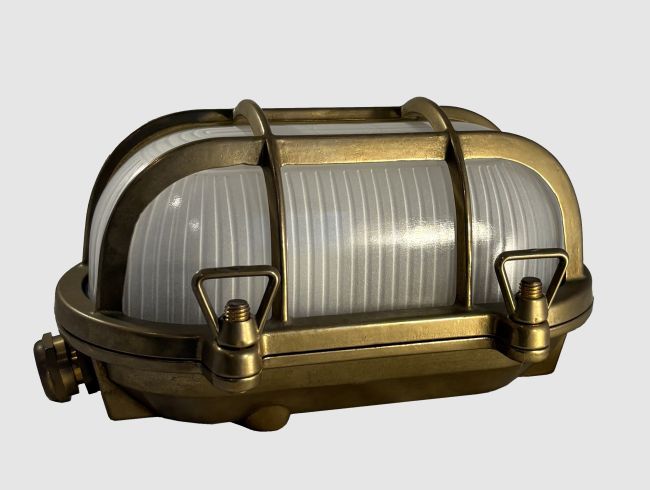
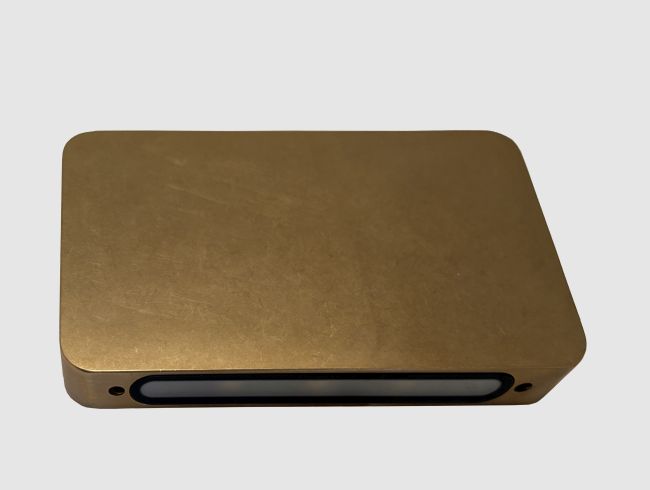
High-grade die-cast aluminium with durable powder-coat finishes in various colours for modern aesthetics and long-term fade resistance. - Solid Brass and Copper
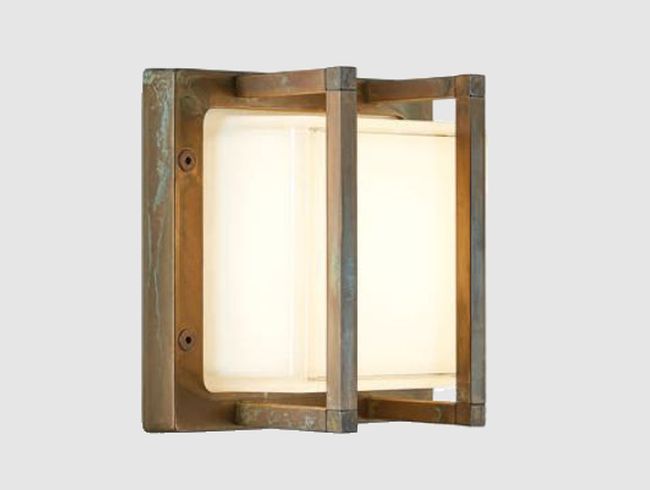
Premium choices offering superior corrosion resistance. Natural brass and copper finishes will continue to mellow and darken with age naturally over time, developing a rich patina that is a desirable characteristic rather than a defect. - Stainless Steel
Specified for high-durability applications or where a polished metal aesthetic is required.
For coastal environments exposed to salt spray, specify fixtures in solid brass, solid copper or aluminium with specialised marine-grade powder coating. Standard finishes will corrode prematurely in these conditions.
Technical and System Requirements
- Voltage
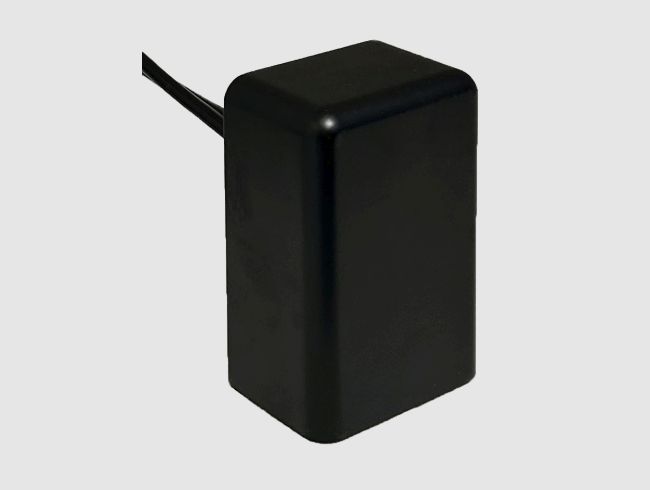
Exterior wall lights are generally low-voltage (12V or 24V) and require a separate weatherproof transformer (driver). Interior wall lights are typically 240V (mains voltage) for simpler installation and connection to existing building electrical systems. - Installation planning
As wall lights are surface-mounted, provision for wiring at the light location and wall switching must be planned in the electrical design documentation. Conduit routes, mounting boxes and switch locations should be coordinated before wall finishes are applied. All 240V wall lights must be installed by a licensed electrician. - IP ratings
Exterior wall lights require appropriate IP ratings (typically IP65 or higher) for protection against dust and water ingress. Interior fixtures require lower ratings unless specified for wet areas such as bathrooms. - Dimming and control
Most wall lights are compatible with standard dimming systems. Verify dimmer compatibility with the specific fixture and lamp type. Consider zoning and control systems for projects where different lighting scenes or time-based control is required.