Showing all 26 results
Downlight
Light on Landscape supplies high-quality exterior downlights and hanging lights in a variety of styles and finishes.
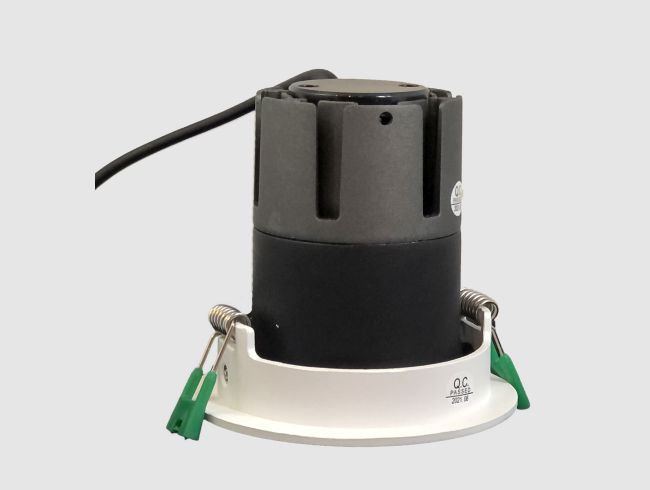
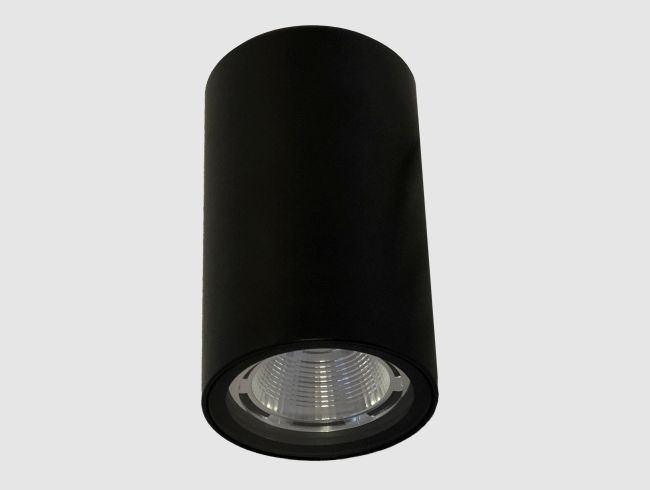
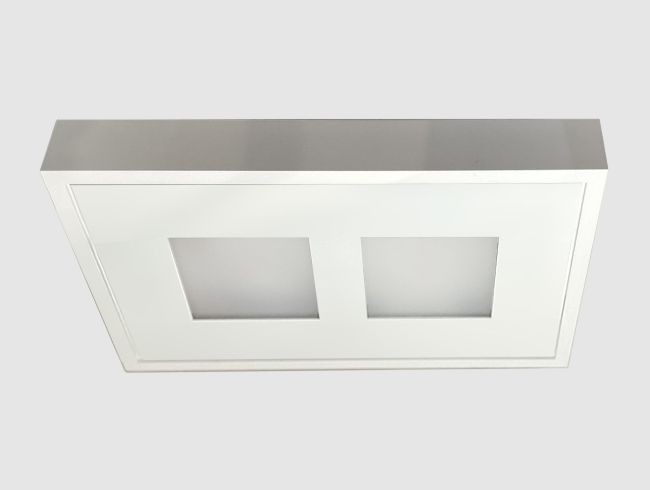
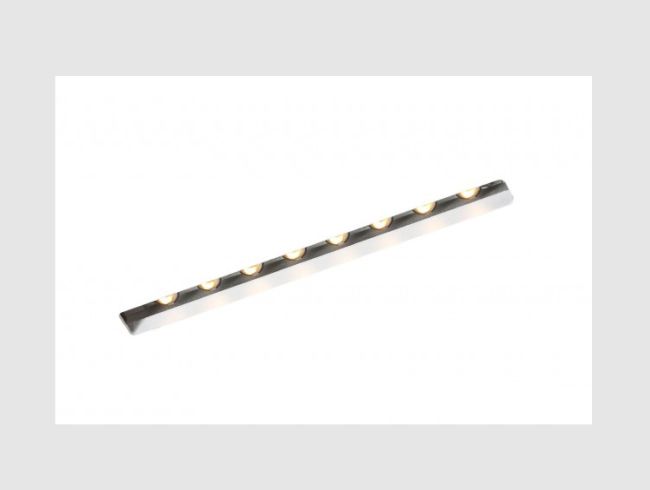
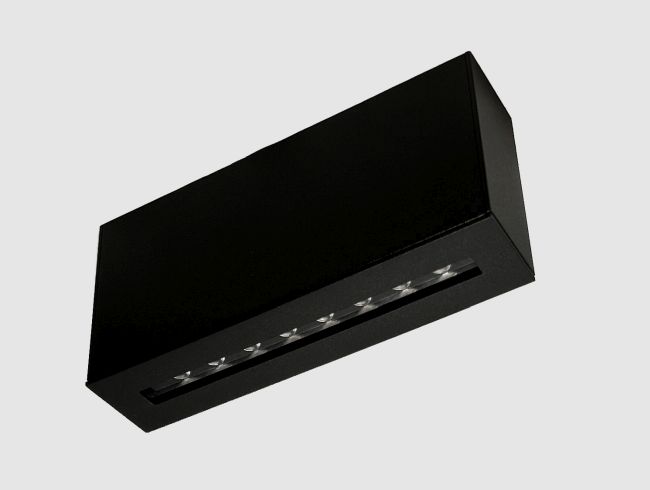
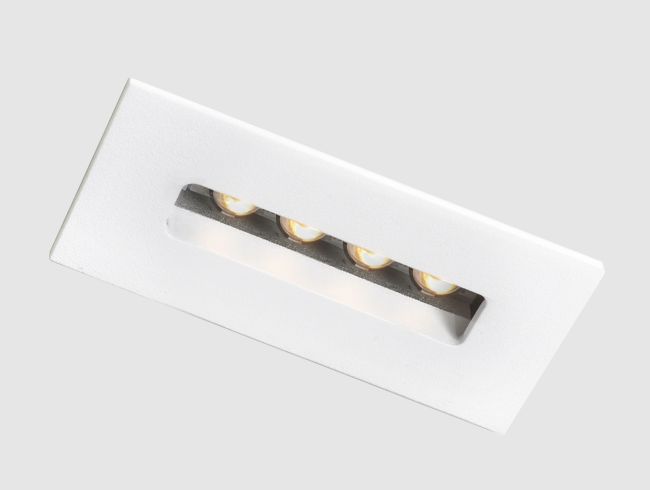
Downlights provide functional illumination for interior spaces, soffits, eaves and alfresco ceilings. They are a practical necessity for general illumination, wayfinding and task lighting. This collection includes fixed fittings for broad coverage, aimable gimbal fixtures for highlighting artwork or architectural features, and pendant versions for suspended installation. We prioritise low-glare optics, durable finishes and correct ratings (e.g., IP, IC) suitable for professional architectural specification.
Showing all 26 results
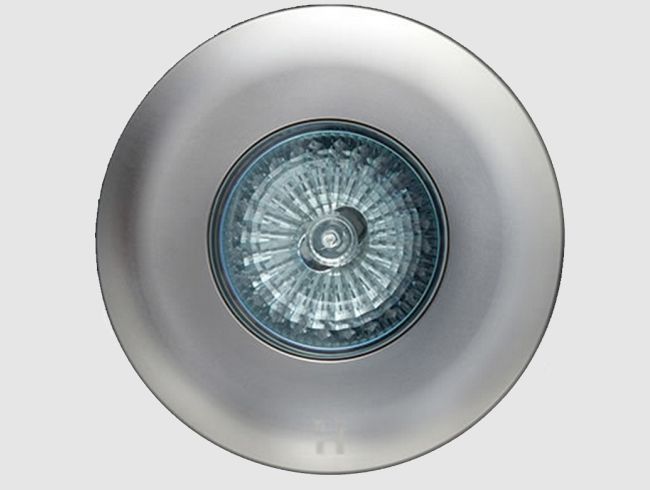
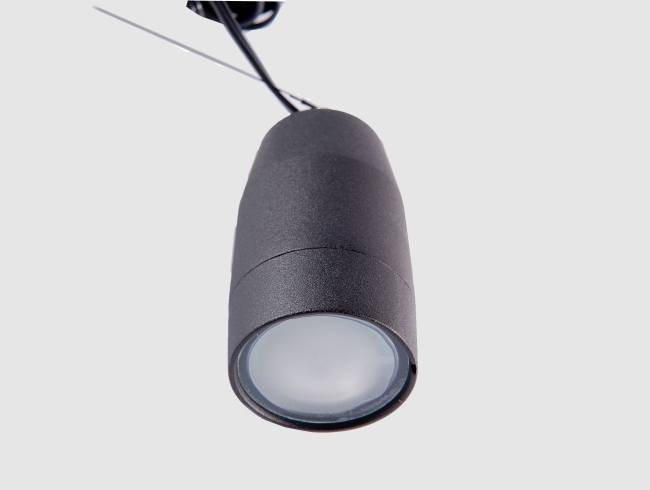
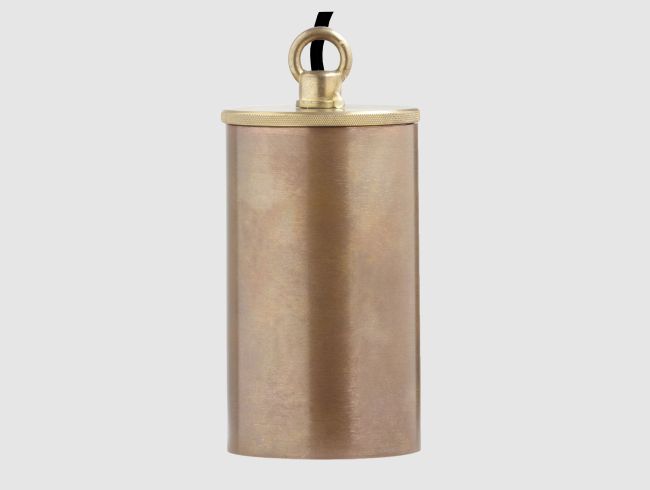
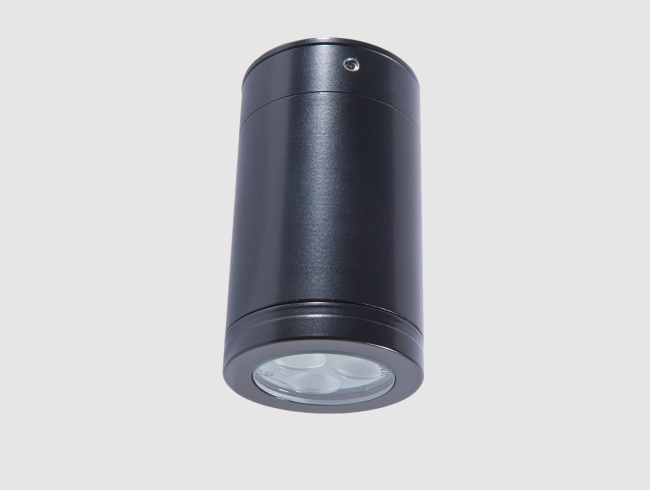
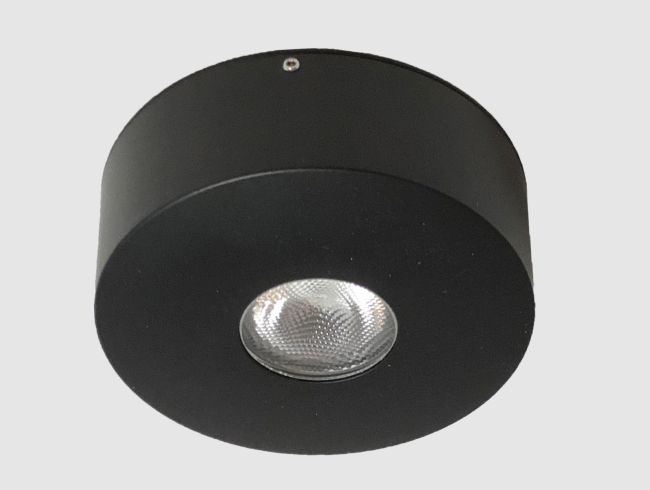
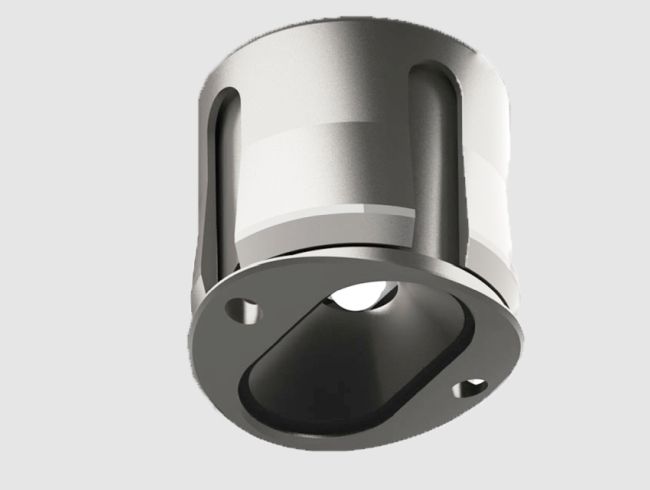
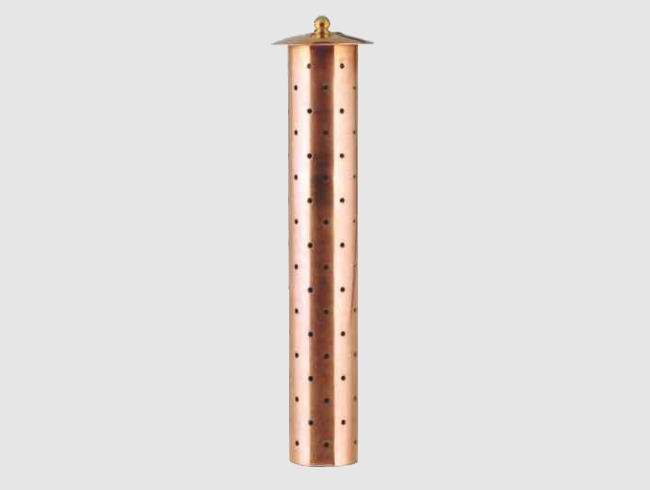
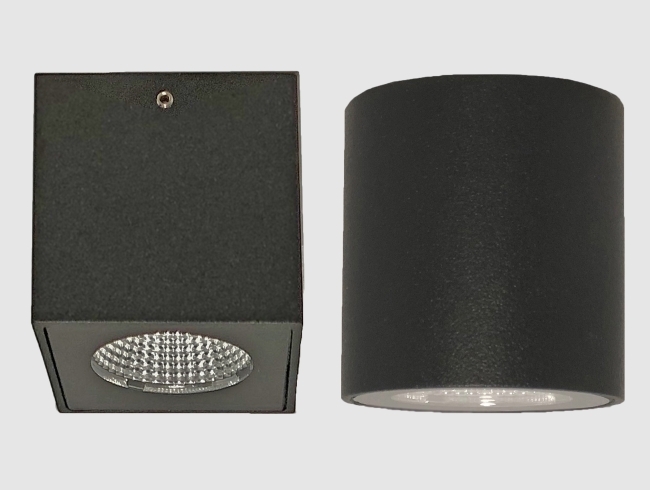
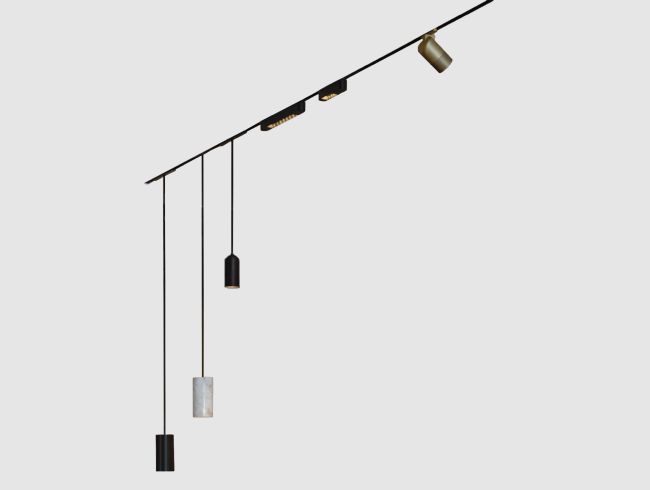
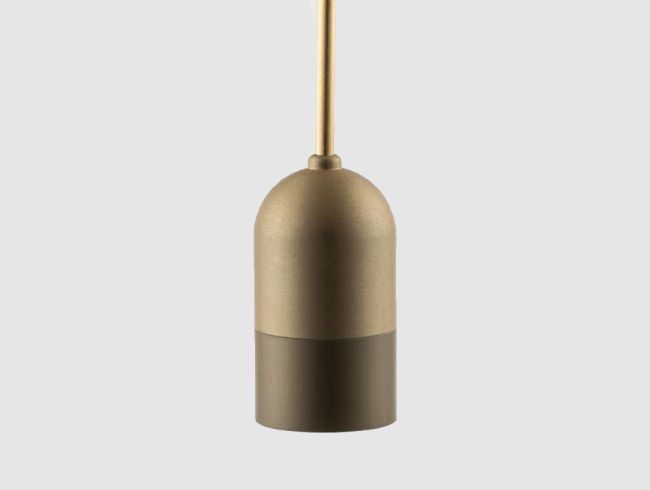
Specifying downlights
Our downlights are specified for longevity and reliable performance in high-end residential and commercial projects, both indoors and out.
Primary applications
Downlights, as the name indicates, direct light downwards. They are the workhorse for ceiling lighting in a wide range of applications:
- Interior spaces
Providing general illumination for hallways and living areas, or task lighting for kitchens and bathrooms. - Alfresco ceilings
Providing functional, low-glare light for dining and entertaining. - Soffits and eaves
Washing light down exterior walls or illuminating pathways. - Porticos and entrances
Creating safe, clearly-lit entry points. - Accent lighting
Using aimable fixtures to graze textured walls or light artworks.
Configuration options
- Fixed downlights
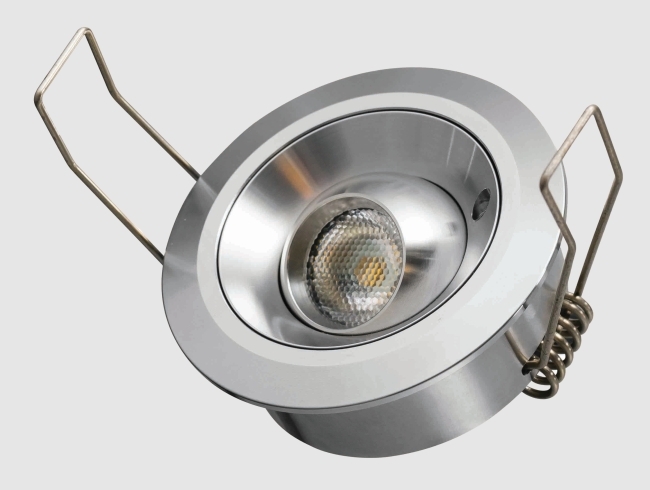
Offer a clean, minimal ceiling profile. They are intended for general illumination and ambient light where the light direction is consistent. - Adjustable (Gimbal)
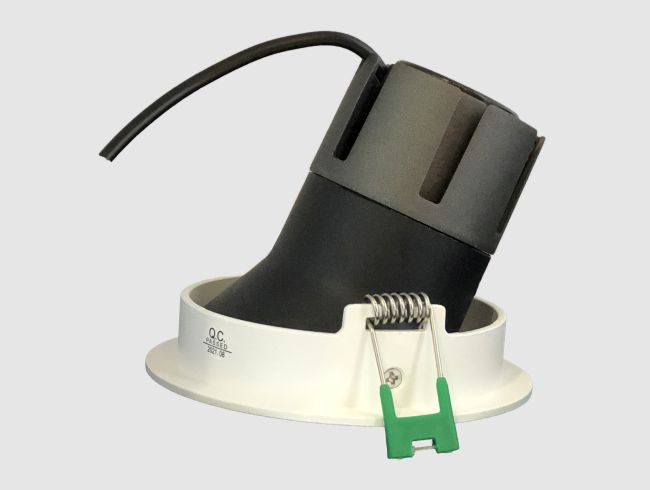
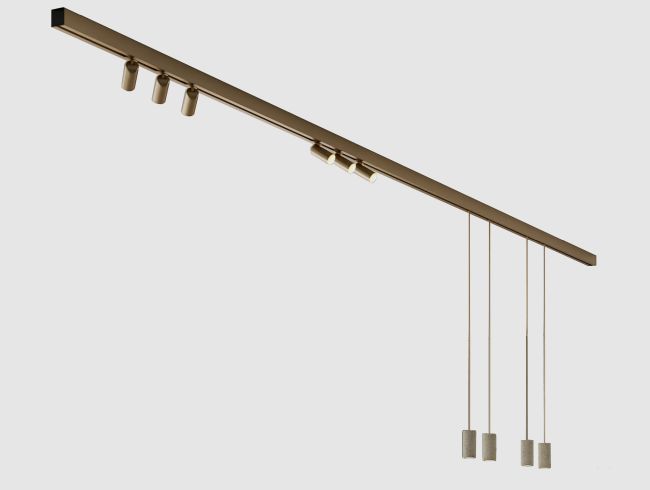
Provide precise aiming. The tilting mechanism allows light to be directed onto a specific feature, an artwork, or to graze a textured wall, both inside and out. Gimbal fixtures are specified where beam angle control is critical. - Pendant downlights
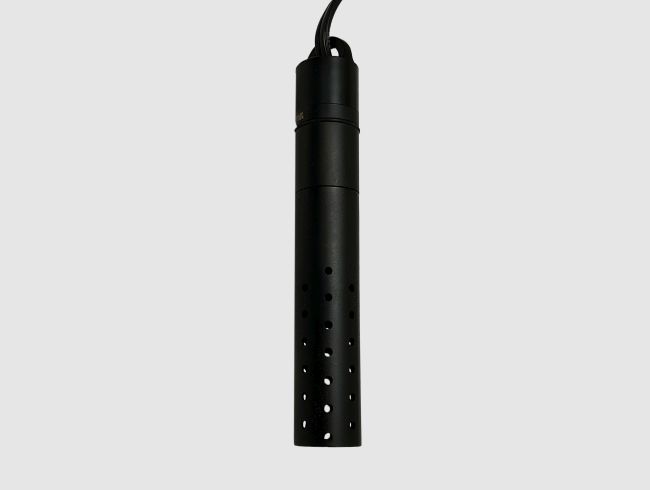
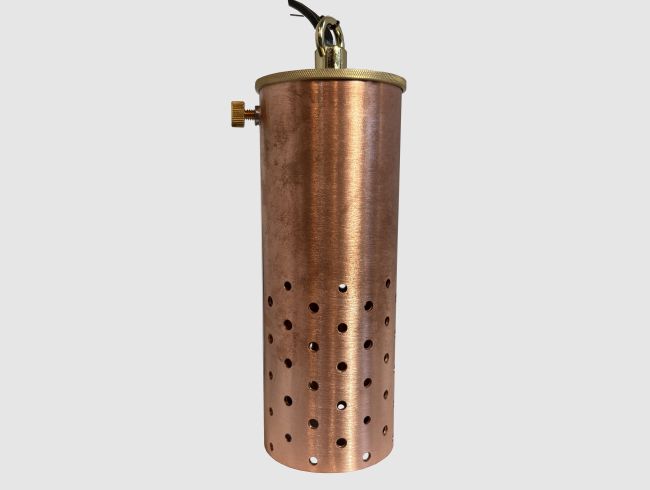
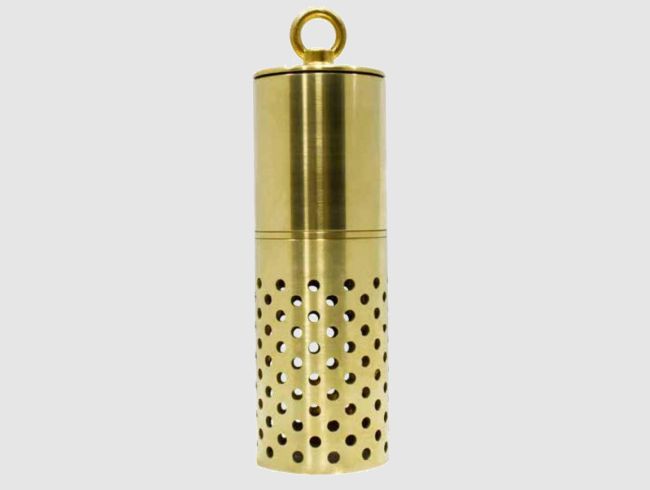
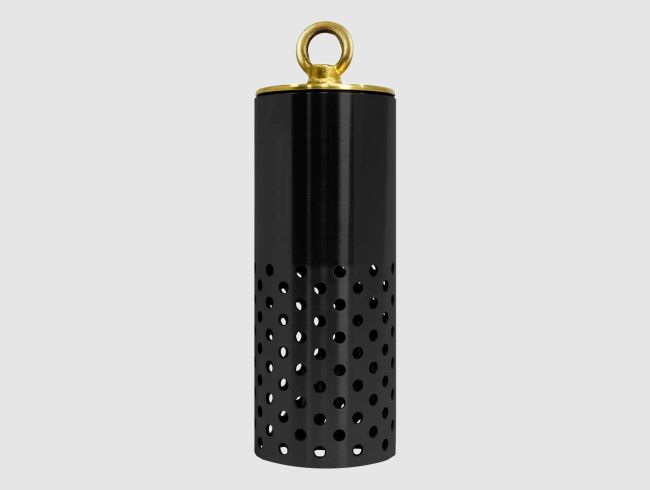
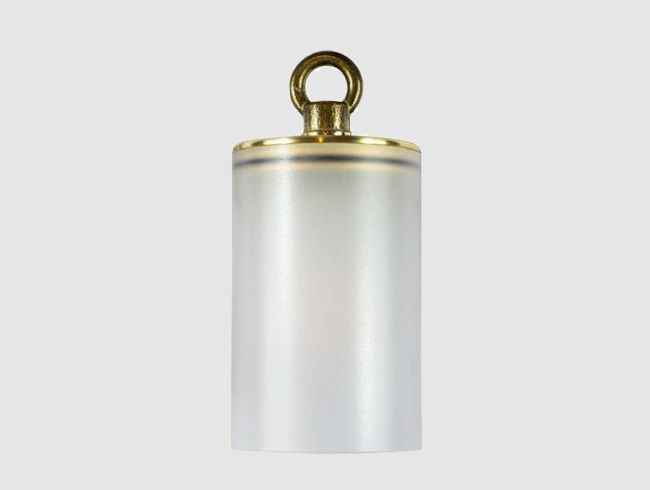
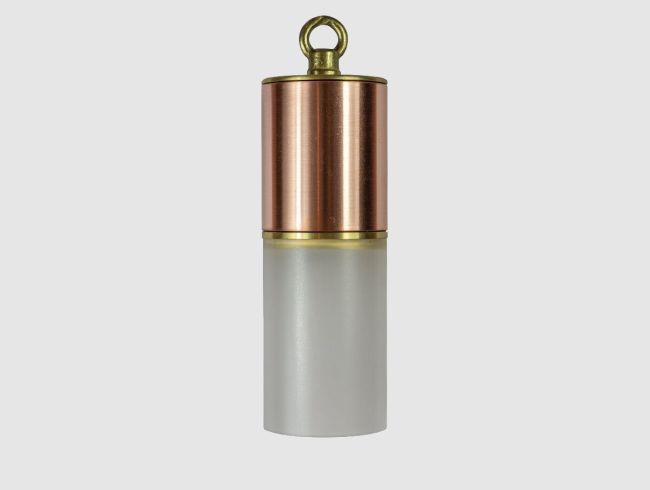
suspended versions are hung from ceilings, pergola beams or even very sturdy tree branches. These provide downward illumination in locations where a recessed or surface-mounted fixture is not suitable.
Materials and finishes
Fixtures are built for longevity and aesthetic diversity. Our collection spans a wide range of materials:
- Die-Cast Aluminium
High-grade aluminium with durable powder-coat finishes (e.g., Matte Black, Matte White) that resist fading in exterior use and provide a minimal aesthetic for interiors. - Solid machined metals
Brass, copper and stainless steel for premium specifications and coastal environments. - Polished timber
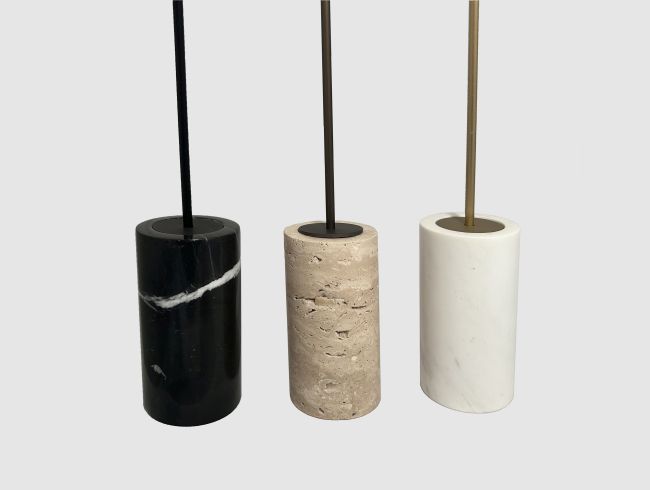
For warm, natural aesthetics in residential interiors. - Marble and glass
Specified for high-end decorative applications.
Composite Materials: For specific weight or non-conductive requirements.
Some pendant downlights feature pinhole perforations in metal sleeves, creating a soft dappled light around the fixture for a more decorative, whimsical lighting effect.
Glare Control
Glare reduction is critical for visual comfort. Specify fixtures with inbuilt baffles or deep recessed lenses where direct view of the lamp could cause discomfort. These features are particularly important in dining areas, task lighting zones and circulation paths.
Technical and System Requirements
Technical requirements vary by location.
- Exterior fixtures:
Require appropriate IP ratings (e.g., IP54, IP65) for protection against dust and water. - Interior fixtures
Must have the correct IC rating (e.g., IC-4) if they are to be covered by building insulation. For interior wet areas such as bathrooms and kitchens, specify fixtures with an IP44 rating or higher. - Voltage
Most fixtures in this collection are 240V (mains voltage) and include a driver. Low-voltage (12V/24V) options are available for specific applications. - Colour and output
When specifying downlights, consider beam angle, colour temperature, lumens and CRI (Colour Rendering Index). A CRI of 90+ is especially desirable in kitchens and dining areas where accurate colour rendition of food and materials is important.