Showing 49–58 of 58 results
Path and Step
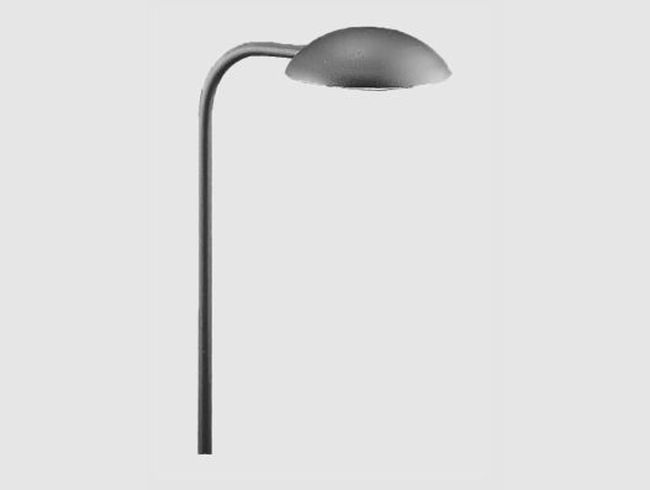
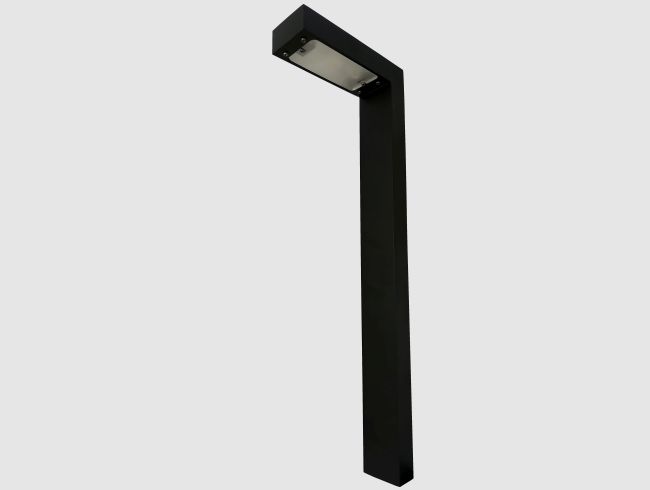
Path and step lights provide safe circulation lighting wherever people need to walk or drive. They illuminate exterior pathways, driveways and garden circulation, and interior stairs and passageways. This collection includes post-mounted fixtures for pathway edges and garden beds, and surface or recessed options for mounting on walls, stringers, risers or under tread nosings. These fixtures direct light downwards to the walking surface without creating glare, and are specified for both functional wayfinding and aesthetic integration.
Showing 49–58 of 58 results
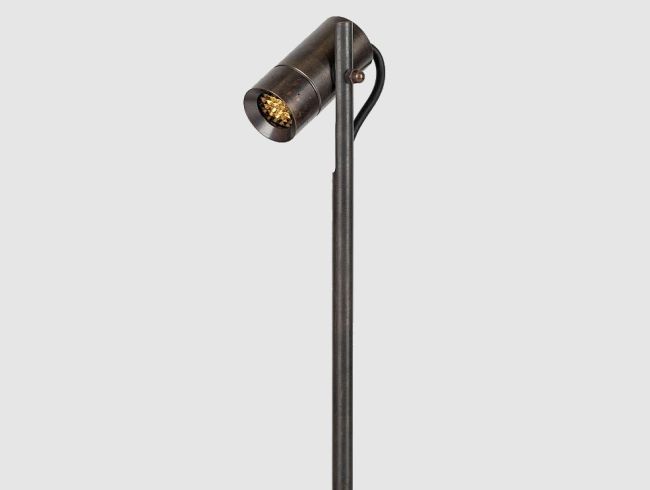
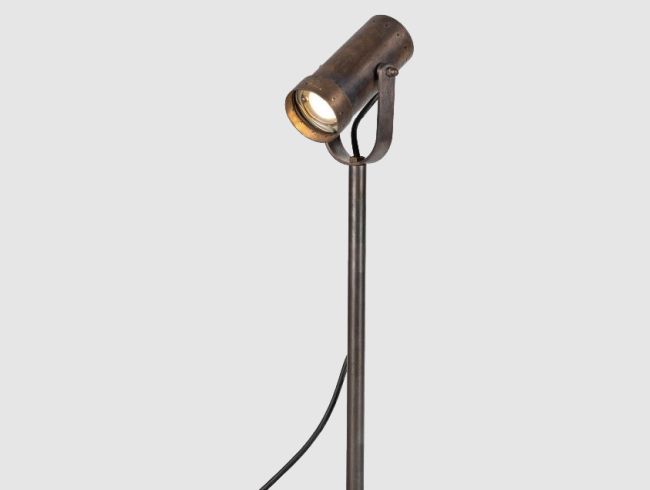
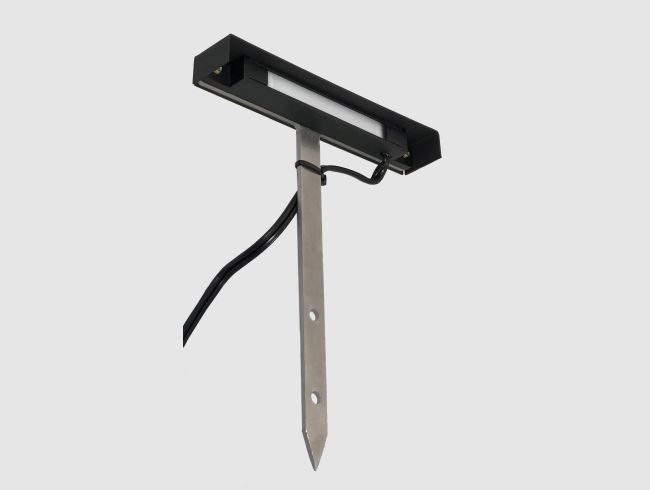
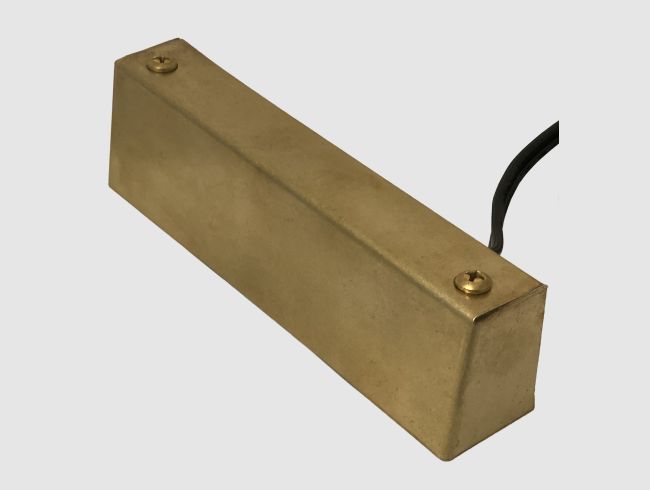
Specifying Path and Step Lights
Path and step fixtures are designed for reliable performance in circulation areas where safety, visibility and visual comfort are essential.
Primary Applications
These fixtures serve functional and aesthetic purposes across diverse settings:
- Exterior pathways
Illuminating garden paths, driveways and circulation routes with downward-focused light. - Steps and stairways
Providing clear visual definition of level changes, both outdoors and indoors. - Interior circulation
Lighting hallways, staircases and passageways where orientation and safety are critical. - Garden beds adjacent to paths
Using post-mounted fixtures positioned in planting areas to create pools of light on foliage while also illuminating the nearby pathway.
Configuration Options
Path and step lights are available in two primary mounting types:
- Post-Mounted (Bollard Style)
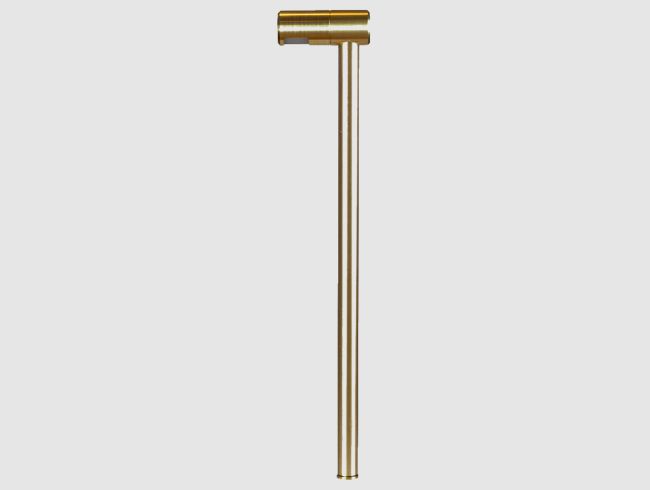
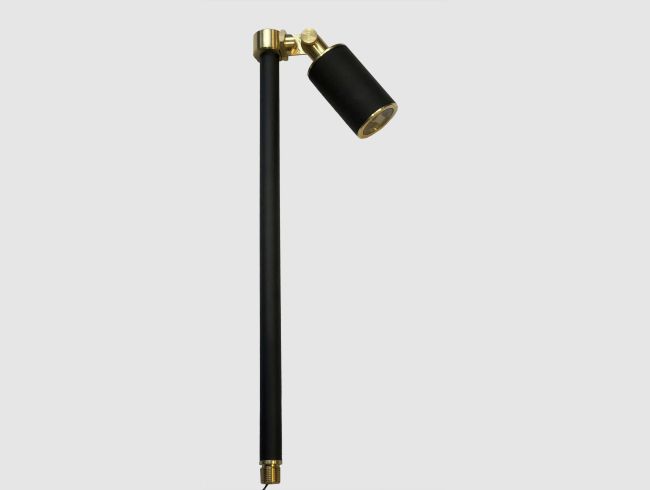
Fixtures mounted on posts at varying heights. They can feature single or double light sources. When double lights on a post are used, they can direct light in both directions along a roadway or path. In woodland or garden settings, one light illuminates the pathway while the other can be aimed like an accent light to highlight trees or plantings behind the fixture. - Surface or recessed mounted
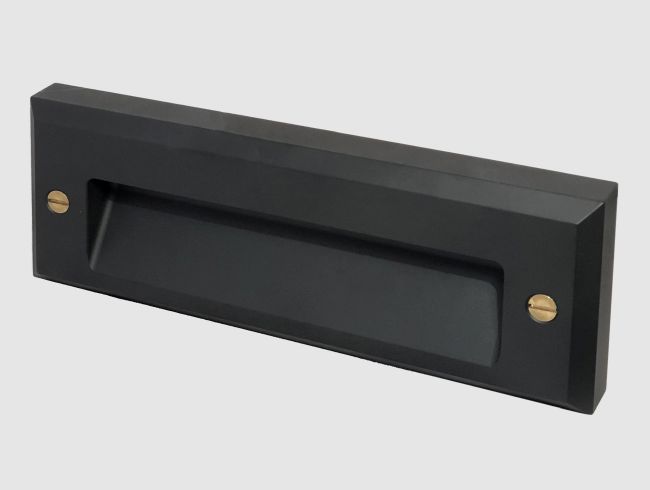
Fixtures mounted directly on or recessed into vertical surfaces. These can be installed on garden walls, stair stringers, risers or even under tread nosings. Surface-mounted versions of path and step lights should be positioned as low as possible to minimise glare and focus light where it’s needed.
Height and placement principles
Correct placement is critical for both visual comfort and effective illumination. The closer a fixture is to the circulation area, the closer it should be to the ground. This reduces the chance of occupants being ‘blinded’ by a bright light source and focuses illumination on the surface of the pathway, roadway or stairs where people need to see what is happening at their feet.
Taller post-style path lights can be located further back from a pathway within a garden bed, while shorter versions should be placed close to the edge of the path. This principle ensures comfortable, glare-free lighting in all pedestrian areas.
Materials and finishes
Durability is essential for path and step lights exposed to pedestrian traffic and weather. Our fixtures are typically built from machined metals:
- Powder-Coated Aluminium
High-grade die-cast aluminium with durable finishes in colours like graphite, bronze or white for modern aesthetics. - Solid Brass and Copper
Premium choices for longevity and natural patina development over time. - Stainless Steel
Specified for high-traffic or harsh-environment applications.
For coastal settings, either brass, copper or a specialised marine-grade powder coat on aluminium must be selected to avoid corrosion caused by saltwater spray.
Technical and System Requirements
- Voltage
Outdoor path lights are generally low-voltage (12V or 24V) and require a weatherproof transformer (driver). Indoor fixtures can be either 240V (mains voltage) or low-voltage depending on the application and existing electrical infrastructure. - IP Ratings
Exterior fixtures require appropriate IP ratings (typically IP65 or higher) for protection against dust and water ingress. Interior fixtures require lower ratings unless specified for wet areas. - Glare Control
All path and step fixtures should direct light downwards and never create glare. Specify fixtures with shielded lamps, deep-set optics or louvres to ensure visual comfort in high-traffic areas.